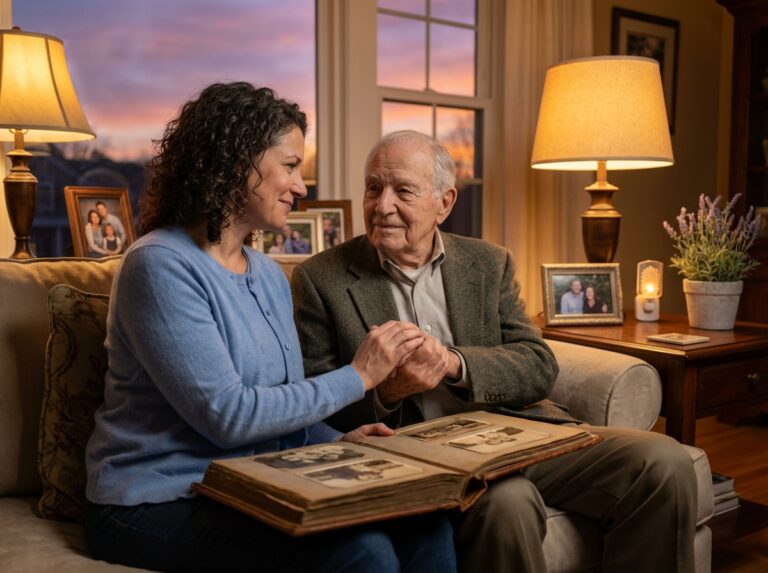
Accusations of stealing are a common, distressing symptom for people living with dementia and their families. This article explores why these suspicions arise, how to respond in the moment with compassion and clarity, and long‑term measures to reduce recurrence. Caregivers will find ready‑to‑use scripts, de‑escalation steps, environmental fixes, and practical guidance for safety and family communication.
Why accusations happen and how to respond in the moment
When the accusation comes, “You stole my wallet,” the world can feel like it stops. In that moment, your immediate reaction sets the tone for everything that follows. It’s a critical juncture where the conversation can either escalate into a painful conflict or shift toward a calm, reassuring resolution. Your goal isn’t to win an argument or prove your innocence; it’s to restore a sense of safety and connection for your loved one. This requires a deliberate, practiced approach that prioritizes their emotional reality over the factual one.
The first step, and often the hardest, is to manage your own response. Take a silent, deep breath before you say a word. Your loved one is reacting to a profound sense of loss and fear, not a logical assessment of the situation. Your calmness is an anchor for them in their sea of confusion. Lower your body to get on their eye level, which is less intimidating than standing over them. Soften your voice and slow your speech. If the TV or radio is on, turn it off to reduce sensory overload. Your entire presence should communicate safety and support, not confrontation.
The core of an effective response is to validate the feeling, not the fact. Arguing about whether something was stolen is a losing battle because, in their reality, it was. Instead, connect with the emotion behind the accusation. The Alzheimer’s Association emphasizes that these beliefs feel very real to the person experiencing them. Acknowledging their distress shows you are on their side. Your body language speaks volumes. Keep your posture open and relaxed, with your arms uncrossed. Use slow, gentle gestures. A tense, worried facial expression can confirm their fears, so try to maintain a soft, neutral, or mildly concerned look. Touch can be a powerful tool for reassurance, but only if it’s welcome. You might ask, “Would it be okay if I held your hand while we look?” before reaching out.
Ready-to-Use Scripts for the Moment
Having a few phrases ready can prevent you from reacting defensively. You can adapt these for different situations.
For mild suspicion or a missing item
When your loved one is worried but not directly accusatory, you can join them as a supportive partner in solving the problem.
“Oh no, your favorite necklace is missing? I can see why that would worry you. It’s so special. Let’s look for it together. Where’s the first place you think we should check?”
For a direct and stronger accusation
When the accusation is pointed directly at you, it’s crucial to sidestep the blame and focus on the solution while offering powerful reassurance.
“I hear that you believe I took your purse, and I understand how upsetting and frightening that must be. I want you to know I am here to help you. You are safe with me. Let’s retrace our steps from this morning and find it together.”
When another person is accused
If they accuse another family member, a friend, or an in-home aide, your role is to gently redirect the focus away from blaming someone and toward the shared goal of finding the item.
“It sounds like you’re very concerned about your checkbook being gone. I know you like to keep it in a safe place. Let’s not worry about anyone else right now. You and I can focus on finding it. I will help you.”
When they insist and become more agitated
If they don’t accept your help and continue to insist you are the thief, it’s important to hold your ground calmly without becoming defensive. Reiterate your intention to help.
“I hear how certain you are, and I know this is very real for you. It’s okay to feel angry when something important is missing. I promise you I did not take it, but I also promise that I will not stop helping you look for it. We are a team, and we will figure this out.”
Sample Dialogue: Evening Sundowning
It’s 5 p.m., and the shadows are getting long. Mom is growing agitated.
Mom: “Where is my blue blanket? That new neighbor stole it. I saw her looking in the window.”
You: (Sitting beside her, speaking softly) “Your blue blanket is missing? Oh, Mom, that’s your favorite. I can see why you’re so upset. It must be scary to think someone came in.”
Mom: “She did! I know she did. You have to call the police.”
You: “I understand you feel that way. It’s a very scary thought. Before we do anything else, let’s just check your room one more time. Sometimes it gets folded up in the laundry. Will you help me look? I need your good eyes.”
Sample Dialogue: Accusations About Money or Medication
Dad is checking his wallet after the home health aide has left for the day.
Dad: “She took it! There was a twenty-dollar bill in here, and now it’s gone. That aide is a thief!”
You: (Staying calm, not defending the aide) “You’re missing twenty dollars from your wallet? That is really upsetting, Dad. It’s not okay for things to go missing.”
Dad: “It’s not okay at all! She steals from me every week.”
You: “Feeling like you can’t trust people in your own home is a terrible feeling. I’m so sorry you’re going through this. Let’s think. Did you buy anything at the corner store yesterday? Sometimes it’s hard to remember. Let’s look at the receipt in the bag together.”
When to Pause the Conversation
Sometimes, no amount of gentle redirection will work. If your loved one becomes increasingly angry, physically agitated, or aggressive, it is time to disengage. Continuing the conversation will only make things worse. You can say, “I can see this is very stressful right now. Let’s take a little break and have a cup of tea. We can try looking again in a few minutes with fresh eyes,” and gently guide them to another activity or room. You can always return to the search later when emotions have cooled.
Quick De-escalation Checklist
In a stressful moment, run through this mental list.
- Breathe. Center yourself first.
- Lower your body and your voice.
- Turn off distractions.
- Validate the emotion (“That sounds scary/frustrating/upsetting”).
- Do not argue or correct the fact.
- Reassure them of their safety (“You are safe here with me”).
- Offer to help (“Let’s look together”).
- Redirect or take a break if necessary.
Preventive strategies and environmental changes to reduce accusations
While immediate de-escalation is crucial, the long-term goal is to create an environment that reduces the frequency and intensity of these accusations. By proactively managing the home, health, and daily routines, you can address the root causes of confusion and fear that often fuel paranoia. This involves shifting from a reactive stance to a preventive one, building a foundation of security and predictability for your loved one.
Practical Home and Environmental Changes
A calm and organized environment can significantly lower anxiety and reduce the chances of items being misplaced. The goal is to make the world around your loved one easier to navigate, which in turn reduces triggers for suspicion.
- Simplify and Declutter.
A cluttered space is a confusing space. Too many objects can overwhelm the brain, making it impossible to find things. Start with one area, like the coffee table or a countertop. Remove unnecessary items, leaving only essentials. This makes it easier to scan a room and locate what’s needed. - Create Designated Homes for Key Items.
Misplaced items are the number one trigger for theft accusations. Establish a single, consistent spot for valuables like keys, wallets, purses, and glasses. A brightly colored bowl by the door or a specific hook on the wall can become a reliable home base. Consistently guide your loved one to use this spot until it becomes a habit. - Use Clear, High-Contrast Labels.
Label drawers, cabinets, and containers with large, easy-to-read text. Instead of a small label, use a bold marker on a white background. Labeling “Socks,” “Sweaters,” or “Snacks” removes the frustration of searching and the subsequent suspicion that someone has moved or hidden things. - Establish Visible Reminders.
A large calendar with appointments and a memory board with photos, daily schedules, and important notes can provide orientation. Seeing the day’s plan laid out can create a sense of control and predictability, reducing the anxiety that often underlies paranoid thoughts.
Technology and Medical Oversight
Modern tools and consistent medical care can provide another layer of security and well-being, helping to manage both the symptoms and their underlying causes.
- Technology Aids.
Simple Bluetooth trackers can be attached to keys or slipped into a wallet. When an item is lost, you can use a smartphone to make the tracker beep, turning a frantic search into a simple game of “find the sound.” Medication organizers with alarms can prevent missed doses and the confusion that might lead to accusations about stolen pills. When considering cameras, prioritize your loved one’s dignity and privacy. They are best used in common areas to monitor for falls or wandering, not in private spaces like bedrooms or bathrooms. Always discuss their use with other family members and, if possible, the person with dementia, explaining it as a tool for safety. - Regular Medical and Medication Reviews.
Paranoia can be a symptom of an underlying medical issue, not just dementia progression. Urinary tract infections (UTIs), dehydration, and pain can all cause sudden confusion and delusional thinking. Schedule regular check-ups to rule these out. Also, ask the doctor to review all medications, as some can have side effects that increase paranoia. Sometimes, a simple adjustment can make a world of difference.
Structuring Routines and Family Communication
Consistency in daily life and in how the family responds is key to building trust and reducing stress for everyone involved.
- Structured Daily Activities.
A predictable routine reduces anxiety. Simple, structured activities like folding laundry, listening to music at a set time, or taking a short walk can provide a sense of purpose and calm. Boredom and under-stimulation can lead to rumination and paranoid thoughts, so gentle engagement is a powerful preventive tool. - Family Communication Plan.
Decide as a family how you will handle accusations. Who will be the primary person to help search for a “stolen” item? Having a designated searcher prevents your loved one from feeling overwhelmed by multiple people trying to help. Agree on the language you will all use, sticking to the validation and reassurance scripts discussed previously. This consistency helps build a united, calming front. For more information on handling suspicions, the Alzheimer’s Association offers excellent guidance.
Financial Safeguards and Caregiver Support
Protecting assets and your own well-being are critical components of a long-term strategy.
- Implement Financial Safeguards.
To protect finances and reduce accusations about money, consider setting up joint accounts with view-only access for a trusted family member. Automate bill payments to avoid confusion over due dates and “missing” money. You can also add a trusted contact to bank and utility accounts who can be notified of suspicious activity. If finances are complex, involving a financial advisor who specializes in elder care can provide professional, neutral oversight. - Prioritize Caregiver Support.
You cannot implement these strategies if you are burned out. Seek out caregiver training resources online or through local organizations. Connect with community supports like your local Area Agency on Aging. Most importantly, schedule respite care. Taking a break is not a failure; it is a necessary part of sustaining high-quality care at home.
Sample Weekly Plan for Implementation
Tackling everything at once is overwhelming. Use a gradual approach.
- Monday. Declutter one small area, like the kitchen table.
- Tuesday. Choose and set up a “home base” for keys and wallet.
- Wednesday. Create three large-print labels for important drawers.
- Thursday. Research and order a simple item tracker.
- Friday. Write out a simple daily schedule and post it on a memory board.
- Weekend. Rest and focus on consistent use of the new systems.
Troubleshooting Recurrent Accusations
What if they refuse to use the designated spot for their wallet?
Don’t force it. Instead, gently guide them. Say, “Let’s put your wallet in its safe spot so we both know where it is.” If they continue to hide it, try getting a duplicate wallet with a few old cards in it to serve as a decoy.
What if the accusations continue despite these changes?
Document the frequency, time of day, and specific details of each accusation. This log is invaluable for your next doctor’s visit. It may indicate a need for a medical review or medication adjustment. It also helps you see patterns you might otherwise miss.
Frequently Asked Questions
Is my loved one lying, or is this part of the dementia?
This is one of the most painful questions caregivers ask, and the answer is clear: it is the disease, not a lie. Your loved one’s brain is being damaged by dementia, affecting memory, reasoning, and perception. The belief that something was stolen feels completely real to them. Their brain may be filling in memory gaps with what seems like a logical explanation, a process known as confabulation. It’s not intentional deceit. It’s a symptom. Understanding this helps shift your perspective from feeling personally attacked to recognizing a call for help and reassurance. The Alzheimer’s Association emphasizes that these suspicions are caused by cognitive decline and are not a reflection of your character or the quality of your care.
How do I respond when accusations target another family member or a friend?
When your loved one accuses another person, it can create tension and hurt feelings among family and friends. Your role is to be a calm, neutral mediator. Avoid taking sides or defending the accused person in front of your loved one, as this can escalate their agitation. Instead, validate the emotion behind the accusation.
- Example Script: “I hear that you’re worried about your purse and you think Sarah took it. It’s so upsetting to feel like something is missing. Let’s you and I look for it together first. Maybe we put it in a special spot.”
After your loved one is calm, speak with the accused family member privately. Explain that this is a symptom of the illness and ask them not to take it personally. A united front, where everyone understands the communication strategies, is essential for navigating these difficult moments without damaging relationships.
What if the accusations lead to anger or aggression?
Safety is the number one priority. If your loved one becomes angry or physically aggressive, do not argue, restrain them, or try to reason. This will only make things worse. Give them physical space and ensure there are no objects nearby that could be used as a weapon. Use a calm, low-pitched voice and keep your body language non-threatening. If you feel you are in immediate danger, leave the room and call 911. For urgent emotional support and de-escalation advice, you can also call the 988 Suicide & Crisis Lifeline. Once the immediate crisis has passed, document the incident and discuss it with their doctor, as it may signal an underlying medical issue or a need to adjust their care plan.
When should I call the doctor or the ER?
Contact their primary doctor whenever you notice a new or sudden increase in paranoia or delusions. This is especially important if it’s accompanied by other symptoms like fever, lethargy, or signs of a urinary tract infection (UTI), as infections are a common trigger for delirium and worsening confusion. Also, call the doctor after any medication changes. Go to the Emergency Room or call 911 without hesitation if your loved one is a danger to themselves or others, is having hallucinations that are causing extreme distress, or is physically aggressive and cannot be calmed down.
Can medications help with paranoia?
Yes, in some cases, medication can help manage paranoia and delusions. A doctor might prescribe antipsychotic medications, though these come with significant risks for older adults with dementia and require careful monitoring. Other options could include antidepressants or anti-anxiety medications, as the paranoia may stem from underlying depression or anxiety. Medication is never a first-line solution. It should always be considered alongside the non-pharmacological strategies discussed earlier, such as environmental changes and compassionate communication. This is a complex decision that must be made with a healthcare professional who can weigh the potential benefits against the risks for your loved one’s specific situation.
How can I protect valuables and finances without causing distress?
This requires a delicate balance of safety and respect for their autonomy. For irreplaceable valuables like jewelry or important papers, secure them in a lockbox or safe. For frequently used items they might accuse you of stealing, like a wallet or purse, consider having a “decoy” with a small amount of cash and old cards. When it comes to finances, frame your involvement as help, not control. You might say, “Let me help you set up automatic payments for the bills so we don’t have to worry about mail getting lost.” Establishing a joint bank account with alerts for large transactions or involving a trusted financial power of attorney can add a layer of protection while minimizing direct confrontation.
When is it time to consider paid caregiving or placement?
This is a deeply personal decision, often made when the challenges of caregiving exceed your capacity to provide safe and effective care at home. Key signs include:
- Caregiver Burnout: Your own physical or mental health is severely compromised.
- Safety Concerns: Your loved one’s aggression puts you or others at risk, or they are frequently wandering and getting lost.
- Escalating Needs: Their medical or personal care needs have become too complex for you to manage alone, even with support.
Considering paid help or moving to a memory care facility is not a failure. It is an act of love, ensuring your loved one gets the level of care they need. Start the conversation early with resources like your local Area Agency on Aging or a geriatric care manager to explore options before you reach a crisis point.
Final thoughts practical takeaways and next steps
Navigating accusations of theft is one of the most emotionally draining parts of dementia care. It tests our patience and breaks our hearts. But remember, the strategies we’ve discussed are not about winning an argument. They are about preserving your loved one’s dignity, ensuring everyone’s safety, and protecting your own emotional health. The core takeaway is this; you are responding to the feeling, not the fact. The fear and confusion are real, even if the accusation is not. By leading with empathy, you build a bridge over the troubled waters of paranoia, creating moments of connection instead of conflict. This journey is a marathon, not a sprint, and every small success is a victory.
Here is a practical checklist to help you put these strategies into action. Think of it as a quick-reference guide for those difficult moments and a roadmap for proactive care.
-
Immediate Phrases to De-escalate
Keep these simple phrases in your back pocket. The goal is to validate and redirect, not to reason.- “That sounds so stressful. I’m sorry you’re worried about that.” (Validates the emotion)
- “Let’s look for it together. I will help you.” (Offers partnership)
- “You are safe here with me. We will figure this out.” (Provides reassurance)
- “I can see that your [item] is missing. That’s frustrating. Where do we usually keep it?” (Joins their reality)
-
Documentation Steps
A simple log can be invaluable for medical appointments. It helps identify patterns and provides concrete data for doctors. Note the following in a small notebook or a phone app.- Date and Time. When did the accusation happen?
- The Specifics. What was said? What was missing?
- Triggers. What happened right before? Was it noisy, were there visitors, was it near sundown?
- Your Response. What did you say or do?
- The Outcome. Did they calm down? Was the item found? How long did the episode last?
-
Environmental Fixes to Implement First
Small changes to the environment can prevent many accusations before they start.- Create a “Safe Spot”. Designate one drawer or bowl for important items like keys, wallets, and glasses. Label it clearly.
- Have Duplicates. Keep copies of inexpensive but essential items like reading glasses or a favorite pen. When one is “stolen,” you can easily produce a replacement.
- Reduce Clutter. A tidy space is less confusing. It makes items easier to find and reduces visual chaos that can fuel paranoia.
- Use Labels. Label drawers and cabinets with simple words or pictures to help your loved one find things independently.
-
When to Seek Medical Review
While paranoia can be a normal part of dementia progression, some changes warrant an immediate call to the doctor.- Sudden Onset or Worsening. If paranoia appears overnight or intensifies dramatically, it could signal an underlying medical issue.
- Signs of Infection. Look for symptoms of a UTI, like confusion, fever, or pain during urination. Infections are a common cause of delirium.
- Accusations Involve Harm. If the paranoia shifts from theft to fears of being poisoned or physically harmed.
- Aggression or Violence. If accusations escalate to physical actions, posing a safety risk to anyone in the home.
-
Family Communication Agreements
Consistency is crucial. Everyone involved in care needs to be on the same page to avoid confusing your loved one.- Agree on a Response. Decide as a family that you will all use the validate and redirect method. No one should argue or try to reason.
- Create a Communication Log. A shared notebook or group chat can keep everyone informed about recent episodes and successful strategies.
- Designate a Point Person. Have one family member be the primary contact for healthcare providers to ensure clear communication.
Your well-being is the engine that powers this entire caregiving journey. You cannot pour from an empty cup. Make self-care a non-negotiable part of your routine. This might mean scheduling short breaks, connecting with a support group, or simply giving yourself permission to feel frustrated without guilt. Remember, seeking help is a sign of strength.
For your next steps, consider reaching out for professional support. The Alzheimer’s Association has a 24/7 Helpline (800.272.3900) staffed by specialists who can provide immediate advice and connect you with local resources. Your local Area Agency on Aging is another excellent source for support groups and respite care options. When you talk to your loved one’s doctor, bring your documentation log. You can start the conversation by saying, “I’ve noticed a change in my mother’s behavior. She’s been having frequent, distressing thoughts that people are stealing from her. I’ve been keeping a log of the incidents, and I’d like to review it with you to see what we can do to help her feel more secure.” This approach presents you as a collaborative partner in your loved one’s care and gives the doctor the specific information they need to help.
References
- Dementia and Paranoia: A Guide for Providing Care and Support — Psychotic symptoms like paranoia and delusions affect a significant portion of people with dementia, with prevalence estimated at 30-60% in various studies.
- Case Report: Treatment of Delusions of Theft Based on the … – NIH — The rated symptoms and their respected scores were as follows: delusions, 12; hallucinations, 2; agitation/aggression, 4; elation/euphoria, 3; …
- Psychotic Events in Alzheimer's Disease: Application of the PLST … — The presence of delusions and hallucinations fluctuates throughout the course of the disease, increasing slowly as the illness progresses (Chico, 2005; Fischer …
- Dementia paranoia: Causes, treatment, and coping — People with dementia may experience delusions and hallucinations. This can lead to symptoms of paranoia and cause mistrust of others.
- Delusions and Hallucinations Are Associated With Worse Outcome … — Delusions and hallucinations are very common in AD and predict cognitive and functional decline. Presence of hallucinations is also associated with …
- Suspicion & Delusions | Alzheimer's Association — While delusions involve false beliefs, hallucinations are false perceptions of objects or events that are sensory in nature. When individuals with Alzheimer's …
Legal Disclaimers & Brand Notices
This content is provided for informational purposes only and is not intended as a substitute for professional medical advice, diagnosis, or treatment. Always seek the advice of a qualified healthcare provider with any questions you may have regarding a medical condition or treatment plan, especially concerning dementia, medication adjustments, or emergency situations.
All product names, logos, and brands mentioned in this article, including those related to organizations like the Alzheimer’s Association, are the property of their respective owners.